2026 Hottest Wig Styles Popular Among Global Hair Resellers
I. Concept Breakdown and Introduction
The concept of “2026 Hottest Wig Styles Popular Among Global Hair Resellers” essentially represents a collection of mainstream styles that have emerged through market selection within the global wig distribution chain. It is not a definition of a single hairstyle, but rather an industry barometer composed of multiple interrelated dimensions.
First is the “2026 time dimension,” which represents the latest phase of the global wig market, shaped by the combined influence of consumer trends, technological advancements, and evolving aesthetics. Unlike previous years’ trend cycles, wig styles in 2026 place greater emphasis on “balancing a natural look with individuality.” Consumers are no longer satisfied with cookie-cutter, long, straight styles and instead seek highly versatile products suitable for everyday wear that allow for quick style changes.
Second is the “Hottest Wig Styles” section, which features best-selling styles validated through three channels: data from online e-commerce platforms, sales turnover rates at physical stores, and trending topics on social media. It covers a comprehensive product system ranging from hair fiber materials and cap construction to cutting and styling. This section includes both upgraded versions of classic styles and innovative designs incorporating new trends, serving as a core reference for distributors when selecting products.
Finally, the “Global Hair Resellers” application scenario ensures that these popular Wig Styles are not limited to the aesthetics of a single region. Instead, they have been validated across multiple core wig markets—including North America, Africa, Europe, and Southeast Asia—making them universally popular bestsellers capable of circulating across regions and meeting the needs of different skin tones and hair textures. These styles generally feature low return rates and high repurchase rates, serving as a key driver for global wig distributors to boost revenue.
II. Frequently Asked Questions and Answers
During the 2026 wig selection process, many distributors will encounter two common core questions. Here, we provide clear answers based on current market conditions.
First Question: Compared to the best-selling styles of previous years, what are the key differences in the popular wig styles of 2026? Answer: In previous years, global best-selling wigs were mostly concentrated on basic styles such as long straight hair and large waves. Product competition primarily centered on hair length and price ranges, resulting in severe homogenization. In contrast, the key differences in the popular styles of 2026 are reflected in three aspects: First, upgraded craftsmanship—the lace base has evolved from standard transparent lace to lighter, thinner HD invisible lace, improving the fit by 60% when worn; Second, style segmentation: even within the bob category, multiple variations have emerged—such as the collarbone-length layered bob, the ombre misty bob, and the short woolly-curl bob—to cater to consumers of different age groups; third, expanded functionality: many popular styles now feature adjustable parting designs, supporting various looks like half-up hairstyles and braids. A single product can meet 3–4 different styling needs—an advantage that basic styles from previous years completely lacked.
Second Question: Consumer tastes vary greatly across different regions. Can these globally popular styles really become bestsellers simultaneously in multiple markets? Answer: These popular styles, which have been validated by global markets, are themselves the result of cross-regional market selection. For example, the “wavy, high-layered medium-length hair” style—the hottest trend of 2026—is popular among young Black women in the North American market because its curls blend seamlessly with local natural hair textures; in the European market, many Caucasian consumers choose it to create a laid-back, everyday vibe; and in the Southeast Asian market, this hairstyle yields excellent results in photos, making it a perfect fit for the local culture of social media sharing. Distributors do not need to develop completely different styles for each region; they only need to make minor adjustments to length and hair color to meet the needs of different regions, significantly reducing product selection and inventory costs.
III. Key Benefits of Positioning for 2026’s Trending Wig Styles
For global wig distributors, positioning themselves early for 2026’s trending styles can enhance their market competitiveness across multiple dimensions and generate returns far exceeding those of traditional product selection.
First, it reduces market education costs. These popular styles have already accumulated billions of impressions on global social media platforms such as TikTok and Instagram. Consumers already have a strong desire to search for and purchase these items, so distributors do not need to start from scratch with educational content. By simply listing products and tagging them with relevant trending hashtags, they can quickly attract organic traffic, reducing customer acquisition costs by more than 40% compared to promoting less popular styles.
Second is improving inventory turnover efficiency. Market demand for popular styles is stable and consistent, eliminating the problem of excess inventory from less popular styles. According to industry data from the first half of 2026, distributors focusing on popular styles had an average inventory turnover of just 28 days—far below the industry average of 62 days—resulting in more than a doubling of capital utilization.
Finally, customer loyalty is strengthened, as repurchase and referral rates for popular styles are significantly higher than for ordinary styles. Many consumers, after purchasing a popular wig they love, actively share photos of themselves wearing it on social media, generating free word-of-mouth traffic for distributors. At the same time, they continue to repurchase different color variations from the same series, helping distributors build a stable system of repeat business from loyal customers and break free from the vicious cycle of cutthroat competition that relied on low prices to attract customers.
IV. Detailed Steps for Implementation
To successfully position themselves for the 2026 trending wig styles, distributors can proceed step-by-step according to the following five clear steps to avoid the risks associated with blind product selection.
Step 1: Conduct market trend research in your local area. First, use the wig category rankings on major platforms such as Amazon and AliExpress to identify the top 10 styles with the highest sales growth over the past three months. Simultaneously, analyze wig-related topics on local social media platforms to identify the five hairstyle keywords with the highest user mentions. Compile the styles that appear on both lists as your initial shortlist to ensure your product selection fully aligns with the genuine needs of local consumers.
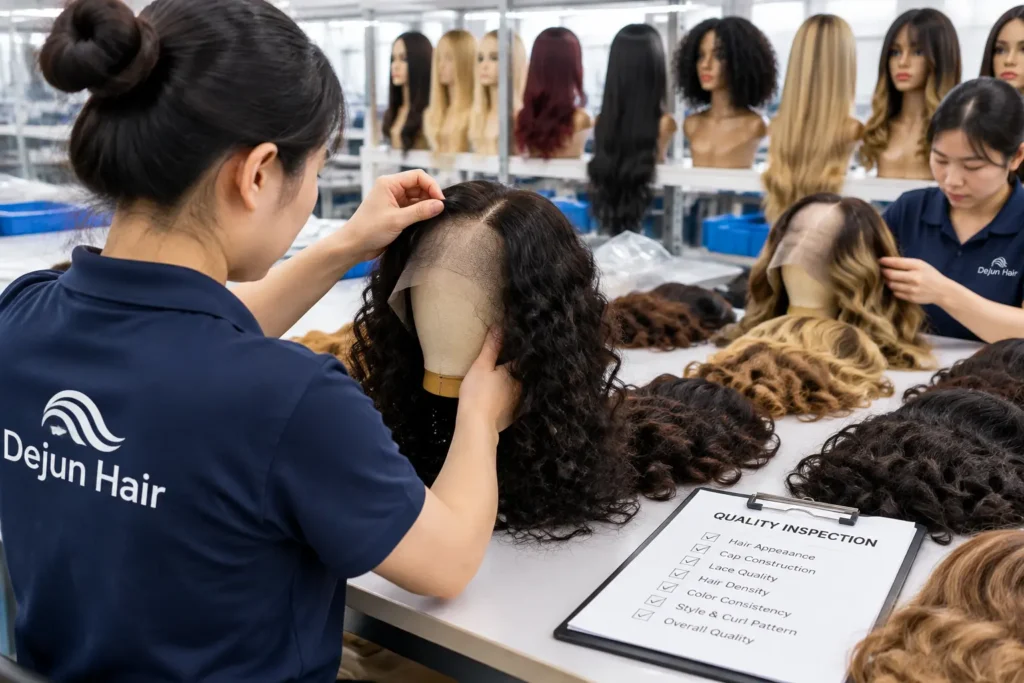
Step 2: Screen high-quality supply chain partners. Present the shortlist of styles to manufacturers, focusing on three core metrics: First, the fit of the HD lace base—it must not leave visible lace marks even when worn under bright light; second, the hair’s resilience—it must not become noticeably frizzy or lose its shape after three washes; third, styling accuracy—the curl and layering of the factory-shipped wigs must not deviate by more than 10% from the reference images—to control product quality at the source.
Step 3: Build a tiered product matrix. Instead of stocking only a single popular wig style, structure your inventory according to the “traffic-driver—profit-driver—image-driver” model. For the traffic-driving models, choose the most popular basic bob style to attract new customers with an affordable price; for the profit-generating models, select upgraded versions of popular styles featuring ombre coloring and versatile styling options to serve as the core source of revenue; for the image-building models, choose limited-edition custom-colored popular styles to elevate the store’s overall brand image.
Step 4: Create content tailored for global social media platforms. For each popular wig, shoot three demonstration videos in different settings: the first is a before-and-after comparison video that visually showcases the wig’s natural look; the second is a styling tutorial for various scenarios, demonstrating how the look changes for daily commutes, dates, parties, and other occasions; The third is a compilation of authentic user feedback to build trust among potential customers. Distribute this content simultaneously across platforms like TikTok, Instagram, and YouTube Shorts to quickly drive organic traffic.
Step 5: Establish a dynamic sales monitoring system. Track the weekly sales conversion rate, return rate, and repurchase rate for each popular style. For styles with a sales conversion rate below 10% for two consecutive weeks, promptly adjust color options and lengths, or replace them with new trending styles. For bestsellers with a sales conversion rate exceeding 30%, secure production capacity with the factory in advance to avoid stockouts and customer loss.
V. Reference: Real-World Results
Many global distributors who strategically positioned themselves early for the 2026 trending wig styles have already achieved impressive results in the first half of the year.
An online wig retailer in North America replaced 70% of its store’s SKUs with that year’s trending styles at the beginning of 2026. In just three months, the store’s monthly sales grew from $120,000 to $470,000, and the return rate dropped from 18% to 7%. Many consumers actively tagged the store’s account on social media to share photos of themselves wearing the wigs after receiving their orders, generating over 20,000 new followers for free.
A brick-and-mortar wig wholesaler in Nigeria, Africa, abandoned its previous strategy of stocking large quantities of traditional long, straight styles and instead focused on the most popular 2026 trend: wavy, layered medium-length wigs. By setting up in-store try-on displays at its local physical locations, the company surpassed 800 wholesale orders in its first month of operation. Many small retailers from neighboring cities proactively reached out to discuss long-term partnerships, and the store’s customer base doubled within six months.
An independent cross-border e-commerce seller in Germany created a dedicated content column centered on the hottest wig styles of 2026, sharing styling tips for popular wigs tailored to different face shapes. Within six months, organic traffic to the site rose from 23% to 61%, and the repeat purchase rate among returning customers increased from 12% to 35%, completely freeing the business from its previous reliance on high-cost platform advertising for traffic.
2026 Best-Selling Wig Styles: A Stable Supply Chain Solution
After mapping out the strategic approach for popular wig styles in 2026, global wig distributors still need reliable source factories to turn their product selection strategies into best-selling, in-stock items.
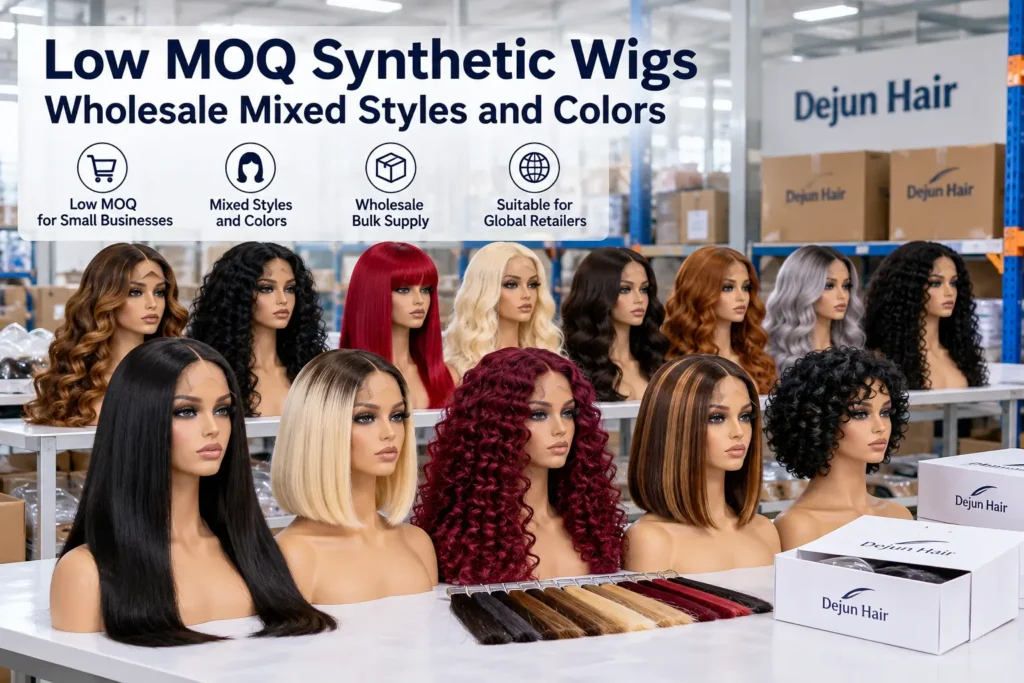
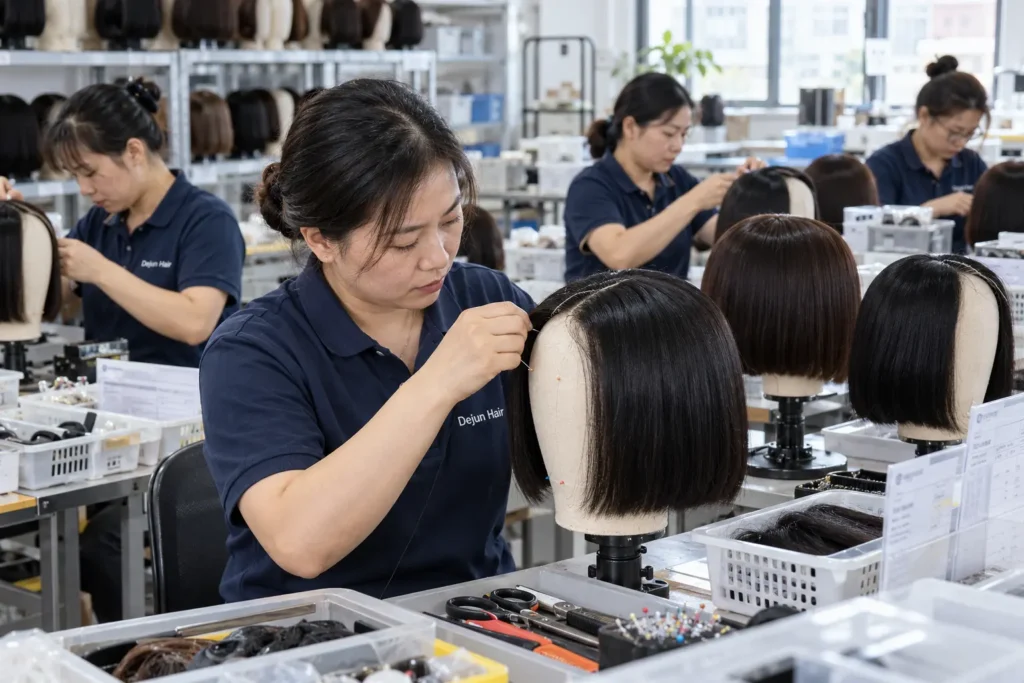
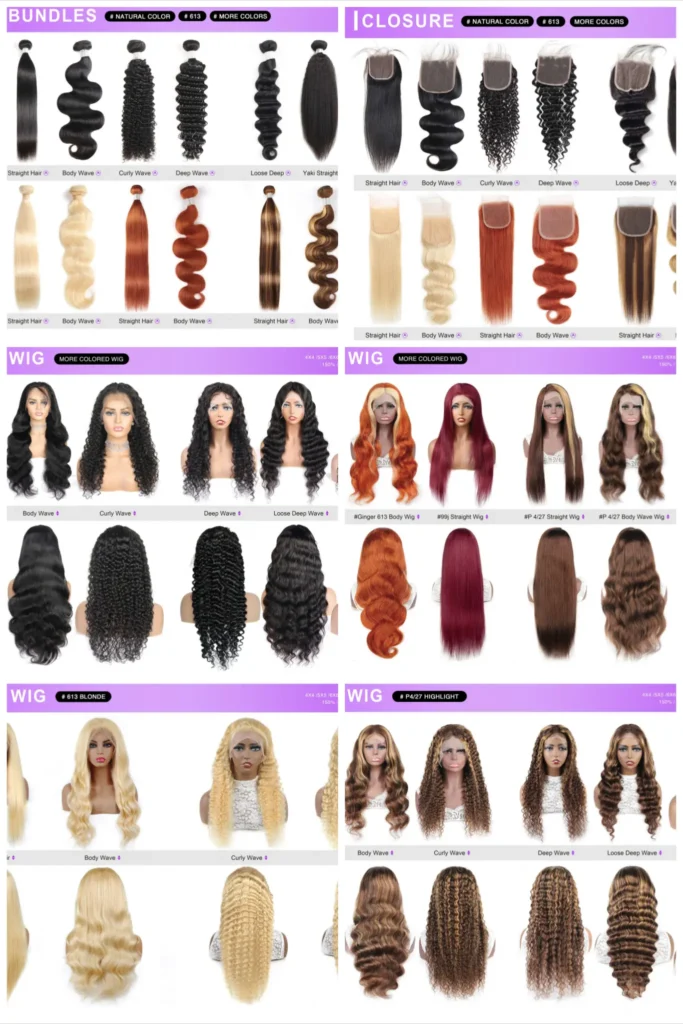
Dejun Hair is a professional China Wig Factory. We have already stocked our full 2026 lineup of best-selling human hair and synthetic wigs, covering mainstream trends such as glue-free bob cuts, high-layered water waves, HD lace front wigs, and custom colored styles.
We offer flexible wholesale batch sizes, low minimum order quantities for samples, end-to-end OEM/ODM customization, and reliable global shipping, along with complimentary post-purchase wig care guidance.
If you’re looking to source market-proven, best-selling wig styles for your salon or online distribution business, please feel free to share your style list, and we’ll provide you with a customized wholesale quote.

Dejun Hair
Direct from Chinese Wig Factories | One-Stop Wholesale Supplier of Wigs for International Trade.